
Quick Summary
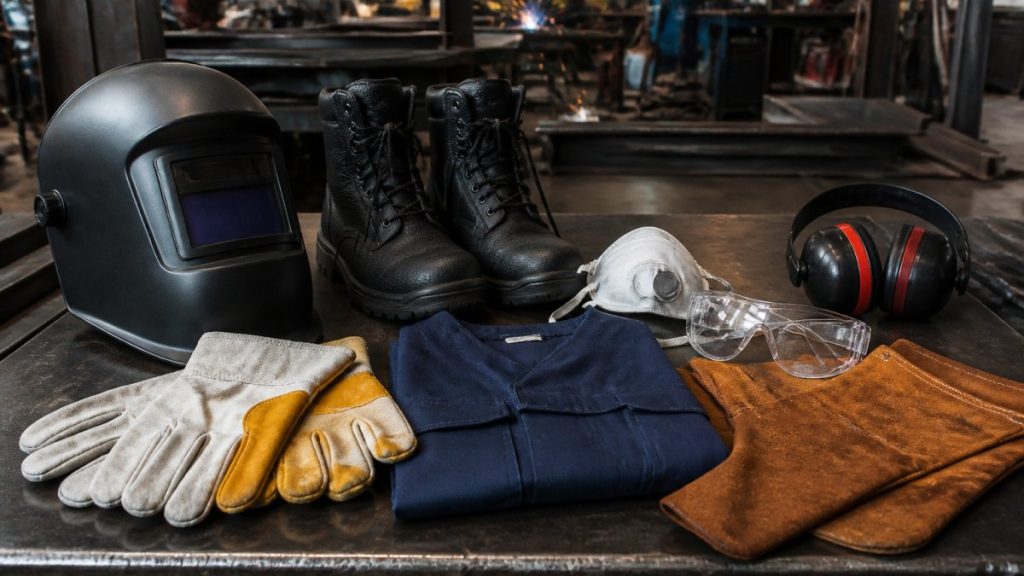
The best PPE for metal fabrication covers eyes and face, lungs, hearing, hands and body, and each item should be matched to the task. A welding helmet protects against arc radiation and spatter, safety glasses with side shields guard against grinding debris, and respirators, ear defenders and welding gloves complete the core kit.
- A welding helmet is the most important item in a welder’s kit, shielding against arc radiation and spatter.
- Safety glasses with side shields are the minimum for any grinding or cutting task.
- A respirator that does not seal to the face gives little protection, so fit-test staff.
- Use ear defenders for constant noise and earplugs where people move in and out of loud areas.
- Replace damaged PPE immediately rather than waiting for the next order.
Table of Contents
- Why Metal Fabrication PPE Matters More Than You Think
- Welding Helmets: Choosing a Welding PPE Core Item
- Grinding Safety Glasses and Face Protection for Cutting and Grinding
- Respiratory Protection for Welding Fumes: Matching Respirators to the Job
- Hearing Protection, Gloves and Protective Clothing for Sheet Metal Work
- Metal Fabrication PPE Checklist: What to Check Before Every Job
- Ordering Metal Fabrication PPE From Norsemen Safety
- Frequently Asked Questions
Why Metal Fabrication PPE Matters More Than You Think
Last Updated: 28 October 2026
Choosing the best PPE for metal fabrication is not just a compliance box to tick. Every cut, grind, weld and sheet bend exposes the people doing the work to sparks, fumes, noise and sharp edges. At Norsemen Safety, we supply welding and safety equipment to fabrication shops, contractors and site teams across the UK and Ireland.
Good PPE is matched to the task. A MIG welder needs different protection from someone grinding a weld bead or cutting thin sheet on a guillotine. This guide walks through nine core items, shows where each fits, and ends with a checklist you can use before every job.
Welding Helmets: Choosing a Welding PPE Core Item
A welding helmet is the single most important item in a welder’s kit. It shields the eyes and face from arc radiation, spatter and UV light. Auto-darkening helmets adjust their lens shade as the arc strikes, which means less lifting and re-positioning between passes.
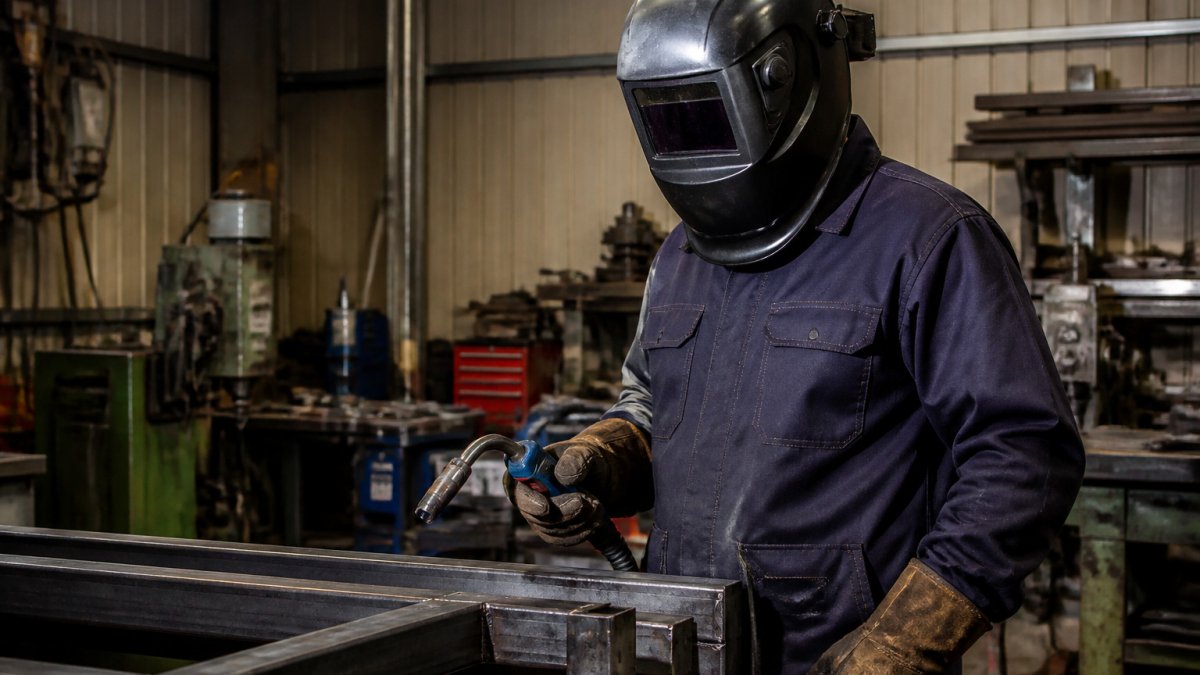
When comparing helmets, look at lens shade range, switching speed, and whether the helmet has a grinding mode. Flip-front designs suit fabricators who need to check their work quickly.
Best for: shops running MIG, TIG and stick work daily, where the helmet is used for hours at a time. Skip if: you only weld occasionally and a basic fixed-shade hood covers your needs.
You can browse the full range of welding helmets and masks to compare auto-darkening and flip-front options. For a deeper comparison of models and specifications, read our best welding helmet for professionals guide.
Helmets sit at the centre of the wider kit. Brands such as 3M offer welding helmets as part of a metalworking range, which can simplify matching helmets with respirators and hearing protection from one manufacturer.
Grinding Safety Glasses and Face Protection for Cutting and Grinding
Grinding throws off hot particles at high speed. Safety glasses with side shields are the minimum for any grinding or cutting task. Where the work is heavy, a face shield worn over glasses adds protection for the face and neck.
Anti-fog lenses matter more than many buyers expect. Fogged glasses get pushed up or removed, and that is when eyes get hurt. NOCRY’s UltraShield anti-fog goggles and its heavy-duty impact face protection are two examples of products sold for metal fabrication work, though you should check lens ratings and UK availability before buying.
Common mistake: wearing a face shield without safety glasses underneath. Shields can be lifted or knocked, so glasses should always be worn beneath them.
Respiratory Protection for Welding Fumes: Matching Respirators to the Job
Welding fumes contain metal particles and gases that the lungs should not inhale. The right respirator depends on the process, the material and the ventilation. A filtering face piece suits light, well-ventilated work. A half mask with replaceable filters suits more regular exposure.
Fit is the detail that most often fails. A respirator that does not seal to the face gives little protection, however good the filter. Shops should fit-test staff and replace filters on schedule (Fit testing basics).
Norsemen Safety supplies respirators within its welding and metalworking range, and reusable half masks from brands such as Moldex and Alpha Solway are commonly used in UK fabrication. Check the filter class against your fume assessment before ordering.
Our advice: do not guess filter grades. Your risk assessment should drive the choice, and a supplier who can talk through the options will save time.
Hearing Protection, Gloves and Protective Clothing for Sheet Metal Work
Sheet metal work is loud (Noise). Guillotines, punches, grinders and hammering all push noise levels high enough to cause lasting hearing loss over time. Ear defenders suit constant noise, while earplugs fit into shift patterns where people move in and out of loud areas. 3M’s hearing protection range for metalworking is one option to consider.
Gloves protect against heat, spatter and sharp edges. Leather welding gloves are the standard for MIG, TIG and stick work. For handling sheet, cut-resistant gloves reduce laceration risk. Match the glove to the task rather than buying one pair for everything.
Protective clothing completes the picture. Flame-resistant jackets, sleeves and aprons protect against spatter. Avoid synthetic materials that melt against the skin.
The article’s key PPE choices for sheet metal work come down to the task, as summarised below.
| Item | Best for | Key point |
|---|---|---|
| Ear defenders | Constant noise | Suit steady loud work |
| Earplugs | Shift patterns | Fit in and out of loud areas |
| Leather welding gloves | MIG, TIG and stick work | Standard welding choice |
| Cut-resistant gloves | Handling sheet | Reduce laceration risk |
| Flame-resistant clothing | Spatter protection | Avoid synthetic materials |
Metal Fabrication PPE Checklist: What to Check Before Every Job
Use this checklist before starting work:
- Helmet or face shield: lens intact, shade set correctly, no cracks
- Safety glasses: side shields present, lenses clean and unscratched
- Respirator: correct filter fitted, seal checked, filter date in date
- Hearing protection: fitted correctly, no damage to earplugs or cups
- Gloves: no holes, no burn damage, suitable for the task
- Protective clothing: flame-resistant, no loose or synthetic items
- Footwear: steel toecaps where dropped loads are a risk
- Work area: extraction running, fire extinguisher nearby
Review the checklist against your site-specific risk assessment, and replace damaged items immediately rather than waiting for the next order.
Ordering Metal Fabrication PPE From Norsemen Safety
Norsemen Safety offers a comprehensive range of welding equipment, PPE and industrial supplies. Our dedicated team provides product and service support, and Buy Now, Pay Later is available with PayPal.
Please check the product pages on our website for current prices or request a quote for your specific requirements. Shop welding gloves for heat resistance and spark protection to find the range for MIG, TIG and stick work.
Frequently Asked Questions
What PPE is needed for metal fabrication?
Most metal fabrication work needs eye and face protection, hearing protection, gloves suited to the task, flame-resistant clothing and safety footwear. Welding adds a welding helmet and, where fumes are present, respiratory protection. The exact mix depends on the process, the materials and the controls in place at your site. Your risk assessment should drive the final list.
Do you need a welding helmet for metal fabrication?
Yes, if the work involves arc welding or any process producing intense light, sparks and spatter. A welding helmet protects the eyes and face from ultraviolet and infrared radiation. Auto-darkening helmets adjust shade automatically, which speeds up work. Choose a helmet with a shade range that suits your process and amperage, and replace lenses or helmets that are cracked or no longer darken properly.
What eye protection should you wear when grinding metal?
Wear impact-rated safety glasses or goggles that meet the relevant British standard for eye protection at work, with side protection. Grinding throws off hot particles at speed, so a face shield over glasses is worth considering for larger discs. Anti-fog options help when working in heat or with a respirator. Replace scratched lenses, since scratches reduce visibility and can weaken the lens.
How often should metal fabrication PPE be inspected or replaced?
Inspect PPE before every shift, checking for cracks, damaged straps, worn seals and degraded lenses. Replace items that fail inspection immediately. Filters for respirators are replaced according to the manufacturer’s instructions or when breathing becomes harder. Gloves wear out faster in grinding work, so check them regularly. Keep a simple record of inspections for your health and safety file.