
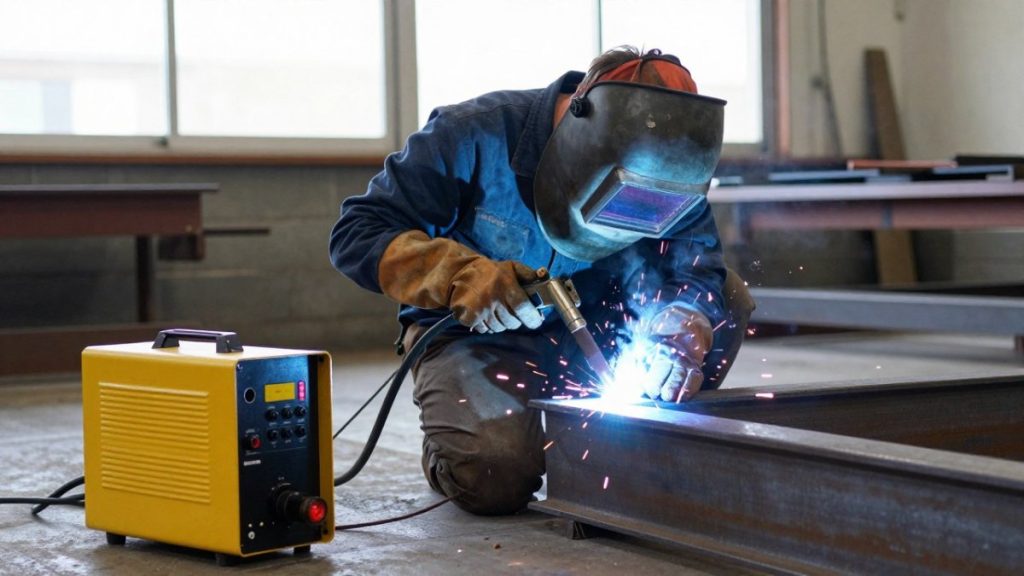
Last Updated: 14 November 2026
Quick Summary
Industrial welding equipment for hire covers MIG, TIG and arc machines plus the power, extraction and safety kit that goes with them. Choose the process by material, thickness and where the work happens, then check duty cycle, power supply and included accessories before you book.
- Match the machine to material and thickness first: TIG for thin stainless and aluminium, MIG for mild steel plate.
- Arc (stick) suits thick structural steel and outdoor site repairs, where it tolerates wind, dirt and poor fit-up.
- Check the machine’s input voltage and amperage against your generator or supply to avoid voltage drops.
- Choose a duty cycle that matches your daily running hours, since low-rated machines overheat on long runs.
- Confirm whether leads, torches, gas bottles and consumables are included, as missing parts can stall a job.
Table of Contents
- What Industrial Welding Equipment Can You Hire?
- How to Choose the Right Welding Machine for a Job
- MIG, TIG and Arc: Which Process Suits Your Work
- Welding Machine Power Requirements on Site
- Hire Costs, Terms and Getting a Quote
- Welding Equipment Hire Checklist: Safety, Accessories and Delivery Checks
- Book Your Welding Equipment Hire With Norsemen Safety
- Frequently Asked Questions
What Industrial Welding Equipment Can You Hire?
Welding equipment hire covers machines for MIG, TIG and arc work, plus the power, extraction and safety kit that goes with them. Start with the process your work demands, then add the supporting equipment that keeps the job running on site.
Check the contents of any hire package before you order, including whether the wire, gas regulator and cable lengths are included, because missing parts can stall a job.
For remote or on-site work, the kit list changes. Portable inverter machines suit fieldwork, while larger units suit fabrication shops. You can see the practical kit that real jobs demand in our remote site welding gear guide. You can explore the TIG welding machines we stock to compare options for stainless and fine work.
How to Choose the Right Welding Machine for a Job
Match the machine to the material, thickness and environment first. Thin stainless steel and aluminium usually call for a TIG machine with precise arc control. Structural steel on site often suits MIG or stick, because they handle thicker plate and rougher conditions.
Ask three questions before you choose:
- What materials and thicknesses will you weld?
- Will the work happen indoors, outdoors or at height?
- How many hours per day will the machine run?
Duty cycle matters here. A machine rated for a low duty cycle will overheat on long runs, so pick a unit with a rating that matches your daily hours.
MIG, TIG and Arc: Which Process Suits Your Work
Most hire catalogues list MIG, TIG and arc machines side by side and leave you to work out which one fits. The process you pick should follow from the material, the thickness, the finish required and where the work happens, not from what happens to be in stock.
MIG (metal inert gas) feeds a continuous wire electrode and is the default for mild steel fabrication. It is fast, works well on plate from roughly 1 mm upward and is forgiving on fit-up, which makes it the practical choice for structural steel, frames and general fabrication. It is less suited to thin sheet, where heat input is harder to control, and to aluminium unless the machine has a spool-gun or push-pull setup.
TIG (tungsten inert gas) uses a non-consumable tungsten electrode and a separate filler rod, giving precise control of heat input and a clean, tidy bead. Read the TIG welding equipment overview for a fuller look at how the process works. It is the process of choice for stainless steel, aluminium and thin-wall work where appearance and corrosion resistance matter. The trade-off is speed: TIG is markedly slower than MIG on thicker sections, and it demands a cleaner joint and more operator skill.
Arc (stick or MMA) uses a flux-coated consumable electrode and is the most tolerant of outdoor conditions, wind, dirt and poor fit-up. It suits thicker structural steel and site repairs where portability and ruggedness matter more than finish. It is slower and produces slag that must be chipped, and it is a poor fit for thin sheet.
A simple decision path:
- Thin stainless or aluminium, finish-critical: TIG.
- Mild steel plate, volume work, indoor fabrication: MIG.
- Thick structural steel, outdoor site repairs, windy conditions: arc.
- Mixed workload: hire more than one process, or a multi-process machine, rather than compromising on a single unit.
Watch out: matching the process to the material is only half the decision, a machine that is right on process but wrong on duty cycle or input power will still let you down, so check those before booking.
The three processes differ mainly in material, thickness and where the work happens, as summarised below.
| Process | Best for | Key difference |
|---|---|---|
| MIG | Mild steel plate, volume work, indoor fabrication | Continuous wire electrode; fast and forgiving on fit-up |
| TIG | Thin stainless steel, aluminium, finish-critical work | Non-consumable tungsten; precise heat control but slower |
| Arc (stick/MMA) | Thick structural steel, outdoor site repairs | Flux-coated electrode; tolerant of wind, dirt and poor fit-up |
Welding Machine Power Requirements on Site
Check the machine’s rated input voltage and amperage against the power supply you will use. Many site machines run from a generator or a temporary supply, and an undersized generator can cause voltage drops that affect weld quality.
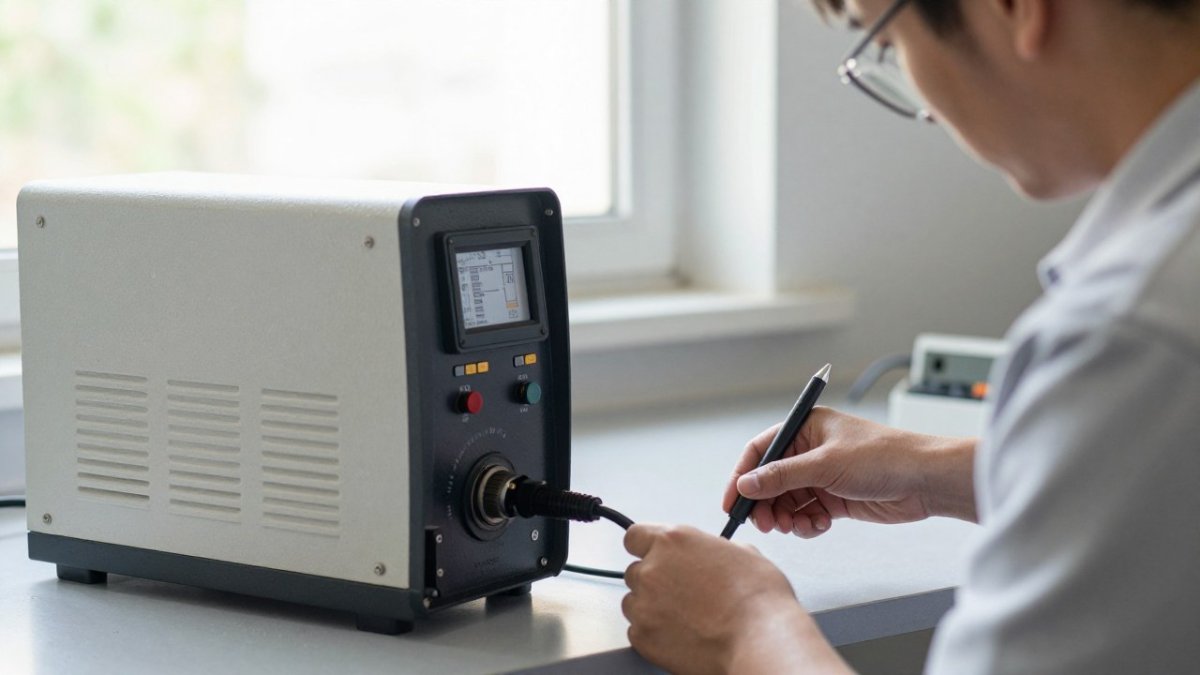
Before you connect, confirm the rating plate, the extension lead gauge and the length of the cable run. Longer or thinner leads lose power and can overheat. A qualified electrician should confirm the supply for any fixed installation (Third party certification schemes for domestic electrical work).
Hire Costs, Terms and Getting a Quote
Pricing for welding equipment hire depends on quantity, dates and delivery, so comparing quotes on a single headline rate can be misleading. Our guide to common bulk supply ordering mistakes covers the errors to avoid before you commit. For current prices or a quote, visit the Norsemen Safety website.
The main cost drivers are:
- Machine type and capability, a basic arc set costs less to hire than a multi-process inverter or a TIG set with pulse and AC/DC capability.
- Hire period, most suppliers set a minimum hire period, often a week, with daily, weekly and longer-term rates. Longer periods usually attract a lower effective rate per day.
- Delivery and collection, charged by distance and access. Site deliveries to upper floors, remote locations or out-of-hours slots typically carry a premium.
- Accessories, leads, earth clamps, torches, regulators and gas bottles may be included or charged separately. Confirm which.
- Consumables, wire, electrodes, filler rods, shielding gas and tips are usually not included and are billed separately.
- Damage cover and deposits, many suppliers take a refundable deposit or offer an optional damage waiver. Ask what is covered and what is excluded.
- VAT, confirm whether quoted rates are inclusive or exclusive.
Welding Equipment Hire Checklist: Safety, Accessories and Delivery Checks
Use this checklist before the machine arrives:
- Confirm the machine type and rating match the job
- Check the power supply and extension lead rating
- Order the correct consumables, wire and gas
- Confirm PPE, including helmet, gloves and fume extraction (Controlling the risks from welding)
- Agree delivery and collection times in writing
- Inspect the machine and leads on arrival and report any faults straight away
Watch out: the most common delay comes from ordering the machine without the right leads or consumables, so check the full kit list at booking.
Book Your Welding Equipment Hire With Norsemen Safety
Hiring the right welding equipment saves time, protects your team and keeps the job on schedule. Norsemen Safety brings together welding equipment, safety gear and industrial supplies, so you can source the full kit from one supplier.
Visit the Norsemen Safety website for current prices or a quote for your next job.
Frequently Asked Questions
What industrial welding equipment can you hire?
Check the current range on the Norsemen Safety website, as availability varies by date. Confirm the exact model and its rated duty cycle before you commit to a hire period, because a machine rated for light use may not suit continuous production work.
What power supply do I need for a hired welding machine?
Check the input voltage and current rating on the machine’s data plate, then compare it with the supply you have on site. Single-phase 230V machines suit small jobs and portable use, while higher-output machines may need a three-phase supply or a generator of adequate capacity. Use a correctly rated extension lead and make sure the supply is protected by a residual current device. If you are unsure, ask the supplier to confirm compatibility before delivery.
What safety equipment is needed when using hired welding equipment?
At minimum you will need a welding helmet with a suitable filter shade, flame-resistant clothing, gloves and safety footwear. Where welding fumes are produced, fume extraction or respiratory protection is needed to control exposure in line with COSHH assessments. Inspect cables, leads and torches before use, and never weld near flammable materials without precautions. Your own risk assessment should drive the final choice of PPE for each job.
How do I choose the right welding machine for a project?
Start with the material and thickness you need to join, the process it requires and the environment you will work in. A MIG welder suits fast production on thin to medium steel, TIG gives precise control on thin or non-ferrous metals, and arc welding is robust for thicker sections and outdoor work. Match the machine’s output and duty cycle to the length of your working day, and factor in whether the unit must be portable for site use.