
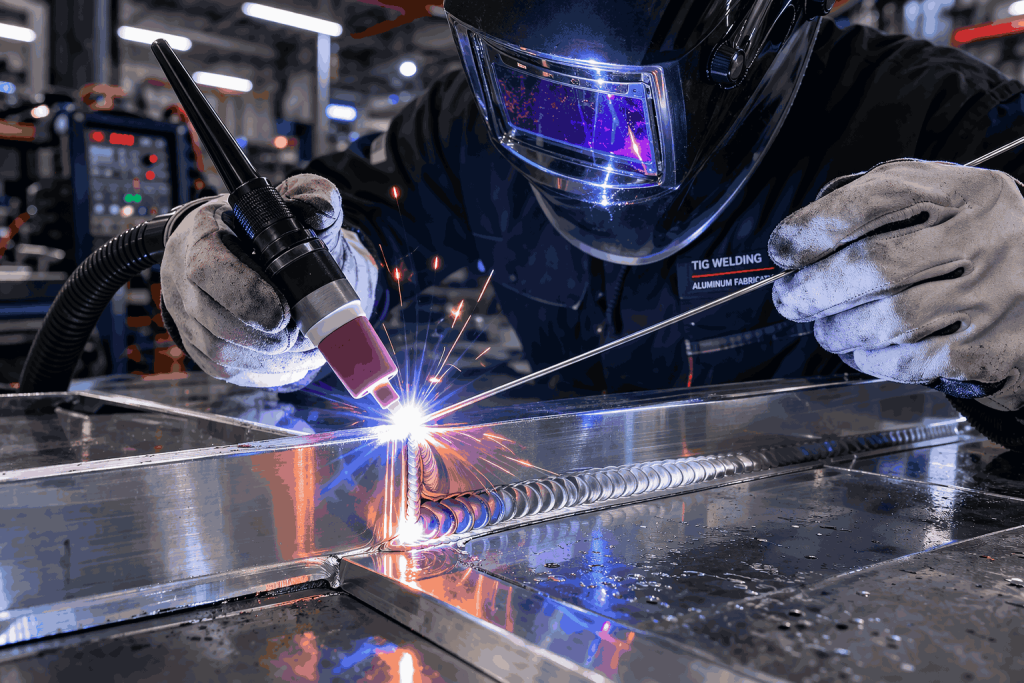
Why Aluminium Filler Metal Selection Matters
Aluminium filler rod is widely used across industries thanks to its strength, corrosion resistance, and lightweight properties. From aerospace to construction and fabrication, it’s a go-to material—but welding aluminium comes with unique challenges.
Its low melting point and high thermal conductivity make it easy to burn through thin materials or struggle with penetration on thicker sections. That’s why choosing the right aluminium filler rod is critical for achieving strong, clean, and reliable welds.
Whether you’re a professional welder or working in fabrication, understanding the differences between 4043 and 5356 aluminum filler metals will significantly improve your welding results.
What Are Aluminium Filler Rods?
Aluminium filler rods are consumable materials used in welding processes like:
- MIG (GMAW) welding
- TIG (GTAW) welding
They help join aluminium base metals by:
- Filling the weld joint
- Enhancing strength and durability
- Improving corrosion resistance
- Influencing weld appearance
Filler metals come in various compositions, including:
- Pure aluminium
- Aluminium-silicon alloys
- Aluminium-magnesium alloys
Among these, 4043 and 5356 are the most commonly used—accounting for around 80% of aluminium welding applications.
At Norsemen/Welder’s Choice we stock a wide range of TIG Filler Rods for whatever you require for your work, available in different diameters as well as spools, rods or pallets.
- See our 4043 TIG Filler rods here,
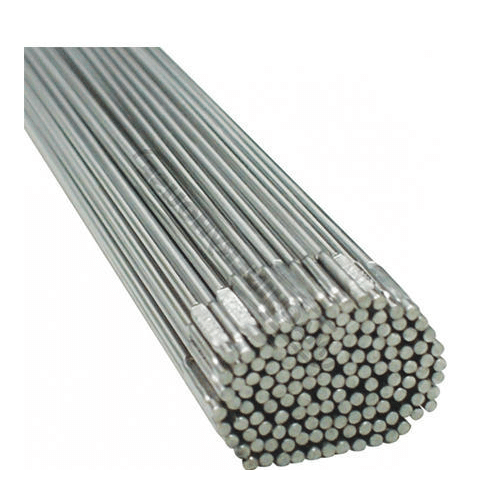
- See our 5356 TIG Filler rods TIG Filler rods`
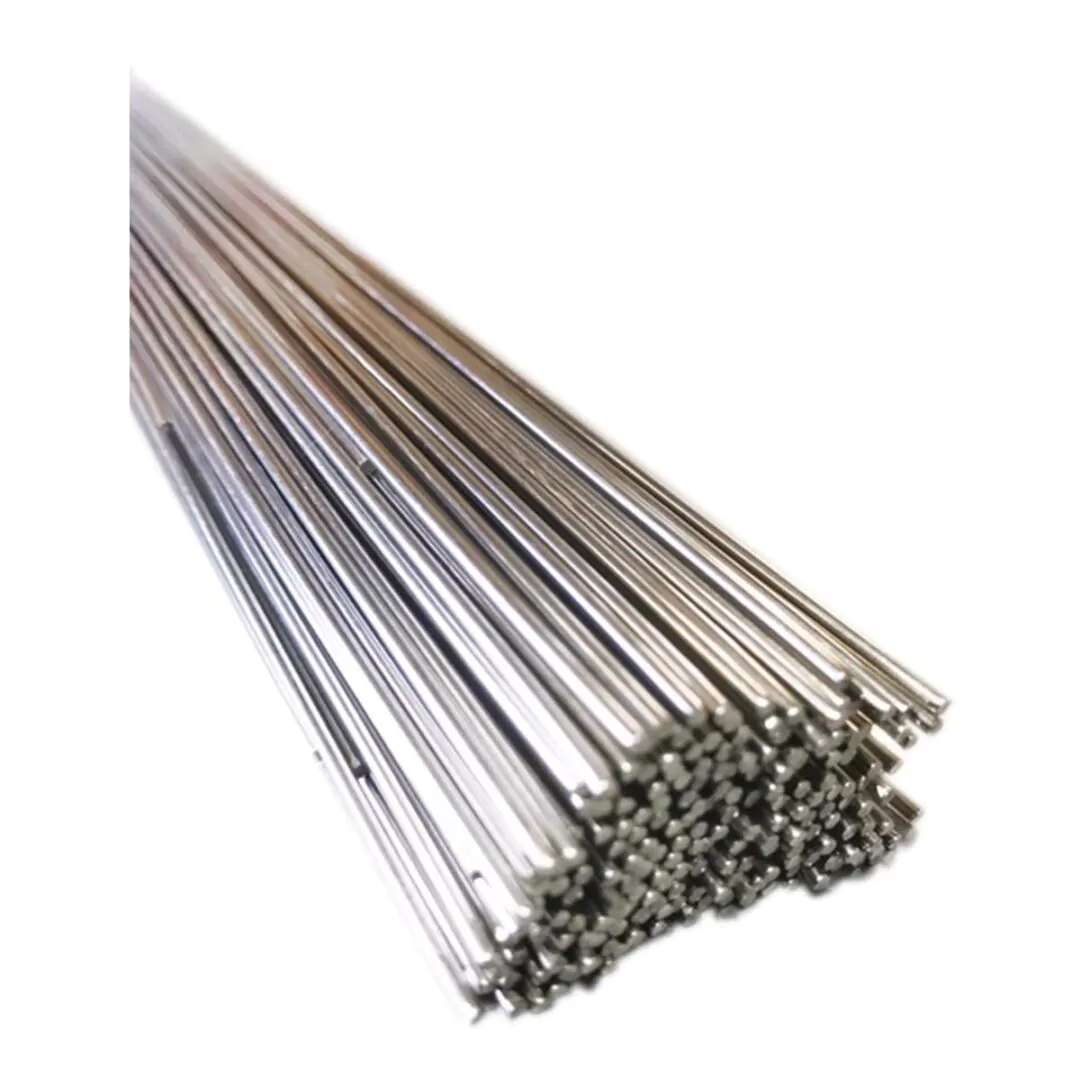
4043 vs 5356 Aluminium Filler Rod – Key Differences
4043 Aluminium Filler Rod (Silicon Alloy)
4043 filler metal contains approximately 5% silicon, which significantly affects weld behavior.
Key Benefits:
- Smooth, fluid weld pool
- Excellent “wetting” action (flows easily into base metal)
- Cleaner, more attractive weld finish
- Reduced cracking risk
- Less post-weld cleanup required
Best For:
- Applications requiring high aesthetics
- Projects where crack resistance is critical
- Situations involving lower distortion
- Components exposed to elevated temperatures (above 150°F)
5356 Aluminium Filler Rod (Magnesium Alloy)
5356 filler metal contains about 5% magnesium, enhancing strength and durability.
Key Benefits:
- Higher tensile strength
- Greater toughness and ductility
- Better performance under dynamic loading
- Stronger welds with fewer passes
Considerations:
- Produces a rougher, rippled weld appearance
- Generates more smut (black soot), requiring cleanup
Best For:
- Structural applications
- Welding 5XXX and 6XXX aluminium series
- Projects requiring maximum strength and durability
- Applications needing good anodized colour matching
When Should You Use 4043 vs 5356?
Choose 4043 When:
- Appearance matters (clean, bright welds)
- You want to minimise cracking
- You’re working with thinner materials
- Heat exposure is expected
- Distortion must be reduced
Choose 5356 When:
- Strength is the top priority
- The weld will face mechanical stress or movement
- Higher shear strength is required
- You need compatibility with 5XXX or 6XXX alloys
- Post-weld anodising is involved
5 Key Questions to Choose the Right Aluminium Filler Metal
Before selecting a filler rod, ask:
- What is the base aluminium alloy?
- Will the weld face high temperatures?
- Will the part be anodised after welding?
- Is strength or appearance more important?
- Will post-weld heat treatment be applied?
Answering these ensures you select the right filler for performance, durability, and finish.
Shielding Gas for Aluminium Welding
Both 4043 and 5356 filler rods typically use:
- 100% Argon gas → Best for arc stability and clean welds
For thicker materials:
- Argon + Helium mix → Improves heat transfer and penetration
However:
- Helium is more expensive
- It can reduce arc stability
Essential Equipment for Welding Aluminium
To achieve consistent, high-quality welds, proper equipment is crucial:
MIG Welding Setup
- Spool gun or push-pull gun → Ensures smooth wire feeding
- U-groove drive rolls → Prevent wire deformation
- Teflon liners → Reduce contamination and debris
TIG Welding Setup
- High-quality TIG torch
- Clean filler rods stored properly
- Stable power source with AC capability
Contact Tips
- Specifically designed for aluminum (marked “A”)
- Slightly oversized to allow smooth wire feeding
Storage & Handling Best Practices
Poor storage can ruin weld quality.
Follow these guidelines:
- Store filler rods in a clean, dry environment
- Avoid temperature fluctuations to prevent condensation
- Keep rods in original packaging
- Cover unused wire spools
Contaminated filler metals lead to:
- Porosity
- Weak welds
- Poor arc performance
Tips for Better Aluminium Welding Results
- Practice on scrap material before starting projects
- Maintain clean surfaces (remove oxide layer)
- Use proper travel speed and heat control
- Match filler metal to application—not just convenience
- Invest in quality PPE and welding equipment
Why Choosing the Right Filler Rod Improves Safety & Efficiency
Using the correct aluminum filler metal doesn’t just improve weld quality—it also:
- Reduces rework and material waste
- Improves structural integrity
- Enhances workplace safety
- Increases productivity
For professionals and businesses, this means lower costs and better long-term performance.
Master Aluminium Welding with the Right Filler Metal
Aluminium welding doesn’t have to be difficult—if you choose the right filler rod.
- 4043 is ideal for smooth, clean, crack-resistant welds
- 5356 delivers strength, durability, and performance under stress
By understanding their differences and matching them to your application, you can consistently produce high-quality, reliable welds.
FAQs
What is the difference between 4043 and 5356 aluminium filler rods?
4043 contains silicon for smoother welds and better appearance, while 5356 contains magnesium for higher strength and durability.
Which aluminium filler rod is stronger?
5356 is stronger and better suited for structural and load-bearing applications.
Can I use 4043 on all aluminium?
No, compatibility depends on the base metal alloy. Always check material specifications before welding.
Why does 5356 produce black soot?
The magnesium content in 5356 creates more oxidation, resulting in visible smut that needs cleaning.
What gas should I use for aluminium welding?
100% argon is standard, but helium mixes can be used for thicker materials requiring deeper penetration.